‘타이레놀=자폐?’ 논란이 남긴 과제… 과학과 소통의 균형을 찾아서
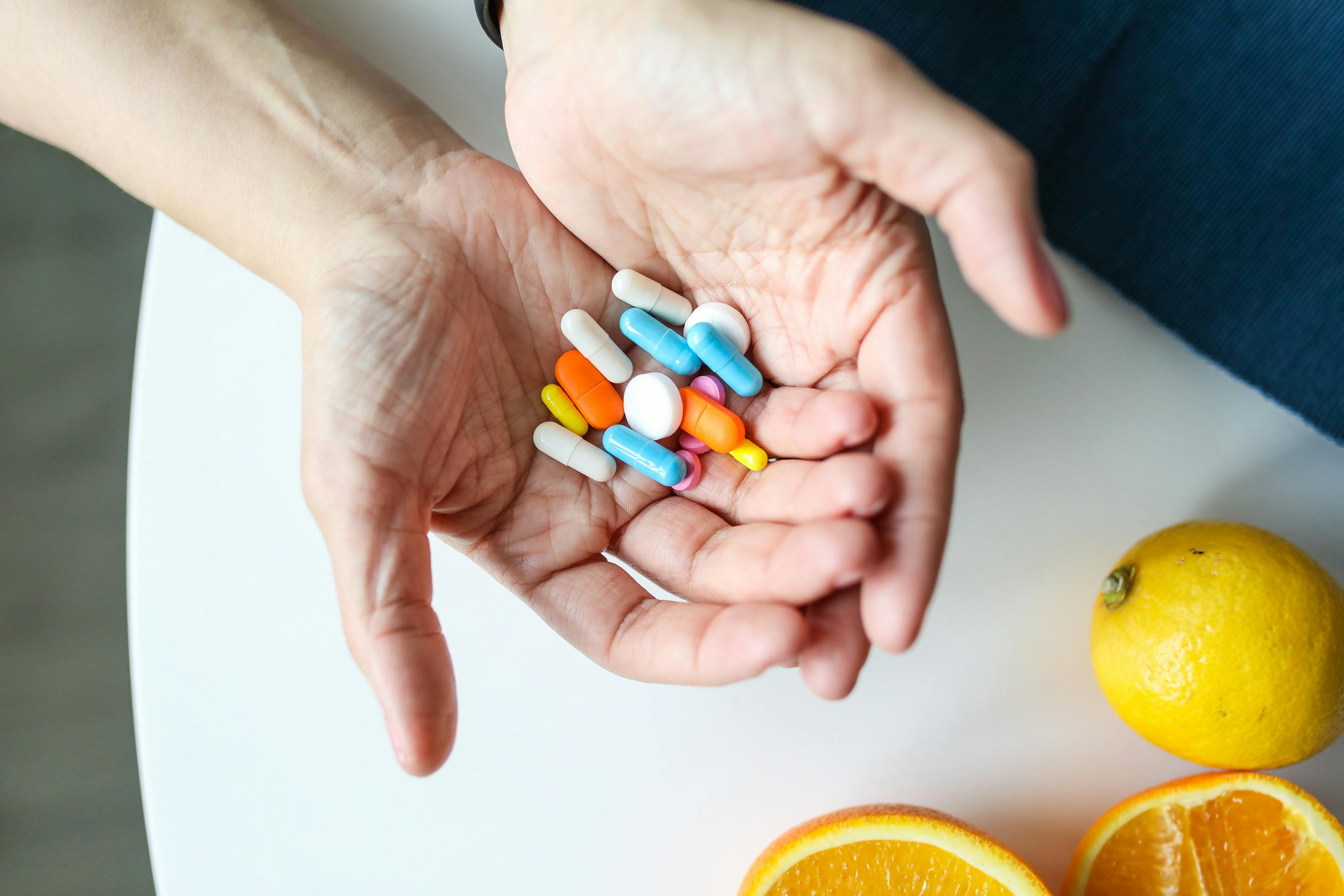
최근 미국에서 임신부가 타이레놀, 즉 아세트아미노펜을 복용하면 자폐증이나 주의력결핍과잉행동장애(Attention Deficit/Hyperactivity Disorder, 이하 ADHD) 발생 위험이 커질 수 있다는 일부 주장 때문에 논란이 커지고 있다. 이 논쟁은 도널드 트럼프 미국 대통령이 이 문제를 언급하면서 주목받았고, 임신부의 약 복용 여부에 대한 관심도 높아졌다. 타이레놀은 전 세계적으로 널리 쓰이는 진통·해열제로, 그동안 임신부와 태아 모두에게 비교적 안전하다고 평가받아 왔다.
이런 논란이 불거진 배경에는 임신 중 타이레놀 복용과 자폐 또는 ADHD 발병 사이에 연관성이 관찰됐다는 일부 연구 결과가 자리하고 있다. 예를 들어, 2020년 JAMA Psychiatry에서는 탯줄 혈액에서 아세트아미노펜 농도가 높을수록 아이에게 신경 발달 장애 위험이 크다고 보고했다. 반면, 2023년 JAMA에 실린 스웨덴 248만 명 대상 대규모 연구에서는 형제간 비교 결과, 두 질환의 발병률에 뚜렷한 차이가 없다는 결론이 나왔다.
이처럼 연구 결과가 엇갈리는 까닭은 상관관계와 인과관계를 명확히 구별하기 어렵기 때문이다. 즉, 임신 중 타이레놀 복용이 자폐증이나 ADHD를 직접 일으킨다고 단정할 수 없다. 애초에 통증이나 발열, 염증 등 약을 복용하게 되는 원인 자체가 태아 발달에 영향을 줄 수 있고, 여기에 유전적·환경적 요인까지 복합적으로 작용할 수 있다. 하버드대 T.H. 챈 보건대학원 검토 결과에서도 “타이레놀 노출이 신경 발달 장애 위험을 높일 가능성은 있지만, 치료하지 않은 발열이 오히려 태아에게 더 위험할 수 있다.”고 강조했다.
현재 세계 여러 의료 지침 역시 타이레놀 복용에 신중할 것을 권장한다. 미국산부인과학회와 영국 국민 건강서비스도 “필요한 경우, 단기간 복용 시 안전하다”고 안내하면서, 복용 전 반드시 전문가와 상담하고 권장 용량을 꼭 지키라고 조언하고 있다. 특히, 과도하게 복용하면 간 손상 위험이 있으니 주의가 필요하다. 요약하자면, 타이레놀 복용과 자폐증 사이의 직접적인 인과관계는 확인되지 않았고, 자폐증은 여러 유전적·환경적 요인이 엮여 나타나는 질환이다.
트럼프 대통령의 발언이 논란에 불을 지피면서 각국 보건당국도 잇따라 입장을 내놓기 시작했다. 미국 식품의약국(FDA)은 해당 내용을 반영한 라벨 변경을 추진하겠다고 발표했다. 다만 연관성을 제시하는 연구들이 존재하지만, 인과관계는 확립되지 않았으며 상반된 결과를 제시한 연구들도 많다는 점에 유의해야 한다고 덧붙였다. 영국 보건당국은 지난해 스웨덴에서 240만 명의 아동을 대상으로 한 대규모 연구에서도 관련성이 없었다는 결과를 인용하며, 타이레놀이 임신부에게 가장 안전한 진통제임을 재확인했다. 세계보건기구(WHO) 역시 9월 24일 성명을 통해 “현재 임신 중 아세트아미노펜 사용과 자폐증 사이의 결정적인 과학적 근거는 없다”며, 지난 10년 간의 연구에서도 일관된 연관성이 확인되지 않았다고 밝혔다.
국내에서는 식품의약품안전처(이하 식약처)가 즉각적인 대응에 나섰다. 식약처는 “임신 중 타이레놀 복용이 자폐아 출산 위험을 높인다는 과학적 근거는 없다”며, 기존 지침대로 전문가와 상담 후 복용 가능하다는 입장을 유지했다. 다만 “임신 초기 38 ℃ 이상의 고열이 지속되면 태아 신경계에 영향을 미칠 수 있다”며, 증상이 심할 경우 아세트아미노펜 복용이 가능하되 1일 4,000mg을 넘지 않아야 한다고 권고했다. 또한 타이레놀 제조 및 판매사에 미국 정부 발표 관련 자료 제출을 요청했으며, 새로운 과학적 증거가 확인될 경우 사용상 주의 사항 수정 여부를 검토하겠다고 밝혔다.
타이레놀 자폐증 위험 논란은 단순한 약물 안전성 문제를 넘어, 대중의 불안과 과학적 소통에 대한 신뢰라는 사회적 과제를 드러냈다. 논쟁이 불거진 뒤 온라인 커뮤니티에는 걱정과 불안을 토로하는 임신부들의 글이 올라오고 있다. 이러한 불안은 때로 발열이나 통증을 방치하게 만들어, 오히려 태아 건강을 위협할 가능성이 있다. 전문가들은 “치료하지 않은 고열이 태아 신경계에 악영향을 미칠 수 있다는 점을 간과해선 안 된다”고 지적한다.
근거가 불충분한 주장이 확산되면서 2차 피해를 우려하는 목소리도 나온다. 일부 전문가들은 “과학적 근거가 부족한 일방적 주장이 반복되면, 자폐 아동의 가족에게 사회적 비난의 화살이 돌아가거나 부모가 자신을 탓하게 되는 경향이 있다”고 경고한다. 자폐 스펙트럼 자녀를 키우는 부모들이 과거 타이레놀 복용이 원인이라고 자책할 가능성이 있으므로 근거가 미약한 주장을 퍼뜨리는 것은 위험하고 무책임한 처사라는 것이다.
이번 사안을 계기로 언론의 보도 태도와 과학적 검증 책임도 함께 도마 위에 올랐다. 일부 매체가 정치인의 단정적인 발언을 검증 없이 인용하면서 ‘타이레놀 = 자폐 유발’이라는 단순한 프레임이 확산되었고, 이는 과학적 근거에 비해 과도한 공포를 유발했다는 비판이 제기된다. 불확실성을 정확히 전달하고 연구의 한계와 수준을 함께 설명하는 과학적 커뮤니케이션이 필요한 부분이다.
약학계 역시 향후 과제를 안게 되었다. 임신 중 약물 복용에 대한 장기 추적 연구 및 메타분석, 그리고 기전 수준의 생물학적 연구가 병행되어야 한다. 또한, 임신부 대상 상담 가이드라인과 대국민 홍보 자료를 강화해 과학적 불확실성을 명확히 설명하고 불안감을 줄이는 ‘위험 커뮤니케이션’ 전략이 필요하다. 이는 약사와 의료인이 단순한 복약 지도자를 넘어, ‘과학적 소통자’로서의 역할을 수행해야 함을 의미한다.
이번 논란은 과학의 불확실성과 대중의 불안을 어떻게 조율할 것인가 하는 오래된 질문을 다시 던진다. 확실하지 않은 과학을 단정적으로 보도하거나, 반대로 논의를 회피하는 태도 모두 위험하다. 약학계와 언론이 함께 책임 있는 소통의 기준을 세워나갈 때, 비로소 불안보다 신뢰가 앞서는 공중보건 환경이 만들어질 것이다.
‘Tylenol = Autism?’ Debate Raises Questions
:Finding Balance Between Science and Communication
Recently in the United States, controversy has arisen over claims that acetaminophen (commonly known as Tylenol) use during pregnancy may increase the risk of autism spectrum disorder (ASD) or attention-deficit/hyperactivity disorder (ADHD). The debate gained attention after former U.S. President Donald Trump mentioned the issue, raising public concern about medication use during pregnancy. Tylenol is a widely used analgesic and antipyretic, historically considered relatively safe for both pregnant women and fetuses.
The controversy stems from studies suggesting a potential link between prenatal acetaminophen exposure and neurodevelopmental disorders. For example, a 2020 study in JAMA Psychiatry reported that higher acetaminophen levels in umbilical cord blood were associated with an increased risk of neurodevelopmental disorders in children. In contrast, a 2023 large-scale study in JAMA, which analyzed 2.48 million individuals in Sweden and used sibling comparisons, found no significant difference in the incidence of these disorders.
The conflicting results are largely due to the difficulty of distinguishing correlation from causation. Prenatal acetaminophen use cannot be definitively said to directly cause ASD or ADHD. The underlying conditions that necessitate medication—such as pain, fever, or inflammation—may themselves affect fetal development, compounded by genetic and environmental factors. A review by Harvard T.H. Chan School of Public Health emphasized that while acetaminophen exposure might slightly increase neurodevelopmental risk, untreated maternal fever could be even more harmful to the fetus.
Currently, global medical guidelines recommend cautious use of acetaminophen during pregnancy. Both the American College of Obstetricians and Gynecologists (ACOG) and the UK National Health Service advise that short-term use is generally safe when necessary, but pregnant women should consult healthcare professionals and adhere to recommended dosages. Overuse can lead to liver toxicity and should be strictly avoided. In summary, a direct causal relationship between acetaminophen and ASD has not been established, and ASD arises from a complex interplay of genetic and environmental factors.
President Trump’s comments intensified the debate, prompting health authorities worldwide to issue statements. The U.S. Food and Drug Administration (FDA) announced plans to update labeling to reflect the issue, while emphasizing that causation has not been established and that studies have produced conflicting results. The UK health authorities cited a large Swedish study involving 2.4 million children, which found no association, reaffirming acetaminophen as the safest analgesic for pregnant women. The World Health Organization (WHO) stated on September 24 that there is currently no conclusive scientific evidence linking prenatal acetaminophen use to autism, and research over the past decade has shown no consistent association.
In South Korea, the Ministry of Food and Drug Safety (MFDS) responded promptly, stating that there is no scientific evidence that acetaminophen use during pregnancy increases the risk of giving birth to a child with autism. They maintained that it can be used after consulting a healthcare professional according to existing guidelines. However, the MFDS advised caution if high fever (≥38°C) persists in early pregnancy, as it may affect fetal neurodevelopment. In such cases, acetaminophen can be taken, but the daily dose should not exceed 4,000 mg. The agency also requested manufacturers submit relevant materials regarding U.S. announcements and will review labeling changes if new scientific evidence emerges.
The Tylenol-autism controversy highlights broader societal challenges, including public anxiety and trust in scientific communication. Online communities have seen pregnant women express concern and fear, which in some cases may lead to untreated fever or pain, potentially harming fetal health. Experts emphasize that untreated high fever can negatively affect fetal neurodevelopment and should not be overlooked.
There are also concerns about secondary harms from the spread of insufficiently supported claims. Some experts warn that repeatedly circulating unsubstantiated claims could lead to social blame or self-blame among families of children with autism, creating additional psychological burdens. Disseminating weakly supported claims is therefore both risky and irresponsible.
The controversy has also sparked debate over media reporting and scientific accountability. Some outlets uncritically quoted political statements, promoting a simplistic frame of “Tylenol = autism risk” that exaggerated public fear compared with the available evidence. Accurate communication of scientific uncertainty, including study limitations, is essential.
The pharmaceutical field faces related challenges. Long-term follow-up studies, meta-analyses, and mechanistic biological research on drug use during pregnancy are needed. Guidelines for counseling pregnant women and public education materials should clarify scientific uncertainties and reduce anxiety through effective risk communication. This underscores the role of pharmacists and healthcare providers not just as medication advisors but also as “scientific communicators.”
Ultimately, the controversy raises the age-old question of how to balance scientific uncertainty with public concern. Both definitive reporting of uncertain science and avoidance of discussion can be dangerous. Only when the pharmaceutical community and media establish standards for responsible communication can a public health environment grounded in trust, rather than fear, be achieved.
<출처>
김태훈, 「“타이레놀이 자폐 유발” 트럼프 주장에··· 전문가들 “비과학적이고 무책임한 주장”」, 『경향신문』, 2025.09.23
<https://www.khan.co.kr/article/202509231651001>
안드레 비어나트 & 사라 벨, 「 타이레놀은 임신 중 복용해도 안전할까?」, 『BBC NEWS 코리아』, 2025.09.23, <https://www.bbc.com/korean/articles/cn5q1q52ny2o>
유한주, 「식약처 "임신부 타이레놀 복용 가능…하루 4천㎎ 이하로"」, 『연합뉴스』, 2025.09.25
<https://www.yna.co.kr/view/AKR20250925101000017?input=1195m>
하수영, 「“타이레놀 복용, 자폐아 유발”…트럼프 발표에 엄마들 대혼란」, 『중앙일보』, 2025.09.23 <https://www.joongang.co.kr/article/25369182>
'포스트 > 약업계 이슈' 카테고리의 다른 글
| 돌봄의 중심이 되는 약사: 다제약물관리와 통합돌봄의 미래 (0) | 2025.10.13 |
|---|---|
| 디지털의료제품법 제정과 시행: 변화하는 의료 환경과 약사의 역할 (0) | 2025.09.15 |
| AI, 신약개발의 시간표를 다시 쓰다... 후보물질 발굴부터 임상까지, 가속 페달 밟는 글로벌 제약업계 (0) | 2025.09.15 |
| K-약국, 외국인 관광객의 ‘코스메슈티컬 쇼핑 성지’로 부상 (0) | 2025.08.20 |
| 위기인가 기회인가…美 관세가 바꾸는 韓 제약의 미래 (0) | 2025.08.16 |